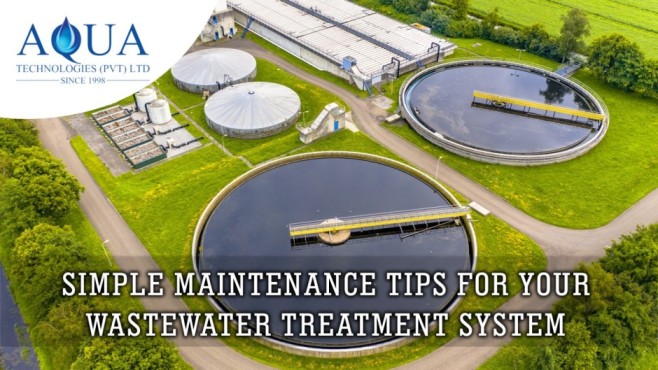
Simple Maintenance Tips for Your Wastewater Treatment System
Wastewater treatment systems play an essential role in protecting the environment, maintaining public health, and supporting sustainable water management. Whether installed in residential, commercial, or industrial facilities, these systems need regular attention to operate efficiently.
Without proper maintenance, wastewater treatment plants can experience unpleasant odours, equipment failures, blockages, reduced treatment performance, and unexpected repair expenses. A consistent maintenance routine helps prevent these issues and supports the long-term reliability of the system.
In this article, we explore practical wastewater treatment plant maintenance tips that can help you maintain system performance and avoid unnecessary operational problems.
Why Is Wastewater Treatment Plant Maintenance Important?
A wastewater treatment plant involves several interconnected components, including pumps, pipes, tanks, filters, blowers, control panels, and treatment equipment. Each component must function properly to achieve the required treatment performance.
Regular maintenance helps to:
- Improve the efficiency and reliability of the treatment process.
- Reduce the risk of unexpected equipment breakdowns.
- Identify potential problems before they become serious.
- Control unpleasant odours and operational issues.
- Support consistent treated-water quality.
- Extend the useful service life of equipment.
- Reduce avoidable repair and replacement costs.
7 Essential Wastewater Treatment Plant Maintenance Tips
1. Understand Your Wastewater Treatment System
Every wastewater treatment plant is designed according to its capacity, wastewater characteristics, treatment technology, and operational requirements. Therefore, understanding your system is the first step towards effective maintenance.
Familiarise yourself with the plant layout, equipment locations, operating procedures, control systems, and manufacturer recommendations. Keep technical documents and maintenance records available for operators and service technicians.
2. Monitor the System for Warning Signs
Regularly observe the operation of your wastewater treatment plant. Unusual sounds, excessive vibration, leaks, abnormal water levels, unpleasant odours, and frequent alarms may indicate an operational problem.
Identifying these warning signs early can help prevent minor issues from developing into major system failures. Any abnormal condition should be investigated by a suitably qualified technician.
3. Inspect and Clean Equipment Regularly
Pumps, screens, filters, pipes, valves, blowers, and other mechanical components require routine inspection and cleaning. Accumulated debris, grease, and other unwanted materials can affect equipment performance and restrict wastewater flow.
Follow the equipment manufacturer's instructions when cleaning or servicing components. Electrical equipment and mechanical parts should only be inspected or maintained by appropriately trained personnel.
4. Prevent Unwanted Materials from Entering the System
The quality of incoming wastewater directly affects treatment performance. Non-biodegradable materials, excessive grease, oils, chemicals, and unsuitable substances can interfere with the treatment process.
Where appropriate, install and maintain screening or pre-treatment equipment. Employees and facility users should also be informed about what should and should not enter the wastewater drainage system.
5. Monitor Treated-Water Quality
A wastewater treatment plant should be monitored to confirm that it is achieving the required treatment performance. Visual appearance alone is not enough to determine whether treated wastewater is suitable for discharge or reuse.
Depending on the plant design and intended application, monitoring may include parameters such as pH, biological oxygen demand (BOD), chemical oxygen demand (COD), suspended solids, and microbiological indicators.
Testing frequency and parameters should be selected according to applicable requirements, the characteristics of the wastewater, and the intended use of the treated water.
6. Manage Sludge Accumulation Properly
Sludge is produced during many wastewater treatment processes. If excessive sludge accumulates, it can reduce treatment capacity, affect process performance, and contribute to operational problems.
Inspect sludge levels and arrange removal when required. The appropriate removal frequency depends on the treatment technology, plant capacity, incoming wastewater load, and actual sludge accumulation.
Sludge handling and disposal should be carried out safely and in accordance with applicable environmental requirements.
7. Check Control Panels, Alarms, and Automation Systems
Modern wastewater treatment plants may use electrical control panels, sensors, timers, level switches, and automated control systems to manage operations. These components should be inspected periodically to ensure that they are functioning correctly.
Pay attention to warning indicators, abnormal readings, and system alarms. Maintain electrical connections and control equipment according to manufacturer recommendations and qualified technical guidance.
Wastewater Treatment Plant Maintenance Checklist
A maintenance checklist helps operators organise routine inspections and keep accurate records of plant performance. The following table provides a general guide. Actual maintenance intervals should be based on the plant design, operating conditions, and equipment manuals.
| Maintenance Activity | Recommended Action |
|---|---|
| General plant inspection | Check for leaks, unusual sounds, odours, and visible damage. |
| Pumps and motors | Inspect operation, vibration, temperature, and performance. |
| Filters and screens | Inspect and clean according to operating conditions. |
| Pipes and valves | Check for blockages, leaks, and restricted flow. |
| Water quality | Conduct appropriate tests to evaluate treatment performance. |
| Sludge management | Monitor accumulation and arrange removal when necessary. |
| Control systems | Check alarms, sensors, electrical panels, and automation functions. |
When Should You Contact a Wastewater Treatment Specialist?
Routine operator inspections are important, but some problems require professional technical support. Consider contacting a wastewater treatment specialist if you experience:
- Repeated equipment breakdowns or pump failures.
- Persistent unpleasant odours around the treatment plant.
- Unusual changes in treated-water quality.
- Frequent blockages or wastewater overflow.
- Continuous control-panel alarms or abnormal sensor readings.
- Reduced treatment capacity or inconsistent plant performance.
- Uncertainty about sludge management or system operation.
Professional inspection can help identify the underlying cause of these problems and determine the appropriate corrective actions.
Improve Your Wastewater Treatment System with Aqua Technologies
Effective wastewater management requires the right treatment solution, proper operation, and consistent maintenance. A well-maintained system can help businesses and organisations manage wastewater responsibly while supporting environmental protection and sustainable water use.
Aqua Technologies (Pvt) Ltd provides water and wastewater treatment solutions in Sri Lanka. We aim to support customers in selecting suitable treatment solutions based on their requirements and operational needs.
If you are planning a new wastewater treatment project or need assistance with an existing system, contact our team to discuss your requirements.
Frequently Asked Questions (FAQs)
1. How often should a wastewater treatment plant be maintained?
Maintenance frequency depends on the plant's design, capacity, wastewater load, equipment, and operating conditions. Routine inspections should follow the manufacturer's recommendations and the site's maintenance plan.
2. What are the common signs of wastewater treatment system problems?
Common warning signs include unusual odours, leaks, abnormal sounds, excessive vibration, frequent alarms, blockages, and changes in treated-water quality.
3. Why is sludge removal important?
Excessive sludge accumulation can affect treatment capacity and process performance. Monitoring sludge levels and removing accumulated sludge when necessary helps maintain effective operation.
4. Can treated wastewater be reused?
Yes, treated wastewater may be suitable for certain non-potable applications, depending on its quality and the intended use. Appropriate treatment, testing, and compliance with relevant requirements are essential before reuse.
5. Does regular maintenance reduce wastewater treatment costs?
Regular maintenance can help identify problems early, reduce avoidable equipment failures, and improve operational reliability. This can help control long-term operating and repair costs.
Contact Aqua Technologies
Looking for reliable water and wastewater treatment solutions in Sri Lanka? Get in touch with Aqua Technologies to discuss your project requirements.
Website: www.hydroaqua.lk
Email: [email protected]
Telephone: +94 11 2861 295 / +94 11 2861 296